
The Contested Strait

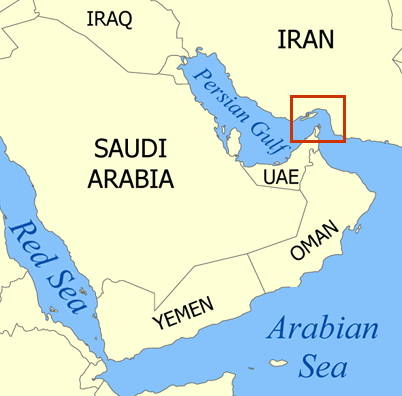
The Strait of Hormuz is some of the most strategic real estate in the world, though that importance has escalated drastically in the last month.
Stretching between Iran to the north and Oman and the United Arab Emirates to the south, the narrow passage connects the oil-rich Persian Gulf to the open ocean via the Gulf of Oman and Arabian Sea.
At its narrowest point, the Strait is only about 21 miles wide, yet roughly a fifth of the world’s petroleum supply passes through it. For decades, control of this waterway, or even the threat of disruption, has shaped global politics, military strategy, and economic stability.
In regard to history however, this isn’t the first time that the Strait of Hormuz has been contested by empires seeking control of trade routes.
During the 16th and 17th centuries, Portugal and later the United Kingdom sought dominance over the region to secure shipping trade with Asia. By the 20th century, as oil replaced spices and textiles as the most valuable commodity moving through the strait, its importance grew.
During the Iran–Iraq War, the strait became a focal point in what was called the “Tanker War,” when both sides attacked oil shipments. This forced international naval escorts and highlighted how easily global energy supplies could be threatened.
In the decades since, the Strait of Hormuz has remained central to tensions between Iran and the West. Iranian leaders have repeatedly insinuated that they could close or disrupt the strait in response to economic sanctions or military pressure.
The United States Navy has maintained a strong presence in the region to ensure freedom of navigation, often working alongside allied forces. Even limited incidents—such as ship seizures, drone attacks, or naval skirmishes—have caused immediate spikes in global oil prices, exemplifying how sensitive the strait is to geopolitical shocks.
For Israel, the Strait of Hormuz carries both direct and indirect importance. Israel is deeply affected by the strategic balance surrounding the strait.
Iran uses its geographic position along the northern shore of the strait as a form of leverage. The ability to threaten global oil flows gives Iran economic and political influence that extends far beyond its borders, shaping its capacity to fund and support regional allies such as Hezbollah. From an Israeli security perspective, this means the strait is not just an energy corridor but a strategic pressure point that strengthens Iran’s broader regional posture.
At the same time, Israel’s own economic stability is tied to global energy markets that depend on the free flow of oil through the Strait of Hormuz. Even though Israel has diversified its energy sources in recent years, including natural gas development in the Mediterranean, it remains connected to global price fluctuations.
When tensions rise in the strait, oil prices often surge, affecting Israeli consumers and industries. Moreover, any prolonged disruption could destabilize key allies and trading partners, particularly in Europe and Asia, indirectly impacting Israel’s economy and diplomatic relationships.
The strait also plays a role in Israel’s evolving regional relationships. In recent years, Israel has expanded ties with Gulf states such as the United Arab Emirates, partly due to shared concerns about Iran. These partnerships have increased the strategic significance of the Strait of Hormuz for Israel, as instability there directly affects the security and economic well-being of its new regional partners. Cooperation on intelligence, maritime security, and defense planning increasingly reflects a shared interest in keeping the strait open and secure.
The Strait of Hormuz, as a focal point of global tension, remains a contested corridor of trade as it always has been historically. Conflict continues to flow through its corridors.
Despite a fragile U.S.–Iran ceasefire after repeated threats from President Donald Trump, Iran has not fully reopened the passage to tightly controlled shipping traffic, with hundreds of vessels still waiting and only limited crossings allowed.
Reports indicate Iran is in some cases proposing tolls or restrictions, while Trump has warned that failure to fully reopen it could lead to renewed military action. The situation has kept global oil flows disrupted and prices volatile, highlighting ongoing uncertainty and disagreement over the ceasefire’s terms.



Comments